IKEA's Peak-End Rule: Tutoring and Saving the Best for Last - Daily Insights #3
Recently, while furnishing my new home, I've been visiting IKEA a few times a week, searching for suitable small items. Anyone who has shopped at IKEA will agree that their shopping experience is unique in the market, making their retail space arguably their most successful product design.
Lately, as I've been furnishing my new home, I find myself strolling through IKEA a few days a week, looking for suitable small items. I believe anyone who has shopped at IKEA would agree that the IKEA shopping experience is truly "one of a kind" in the market. So, today, let's talk about IKEA's design philosophy and business logic!
No matter which IKEA furniture design you like best, its most successful product design is arguably the furniture showroom itself. The reason why shopping at IKEA offers customers an unforgettable experience is because they have designed the user experience by referencing video games. How so? Let me explain.
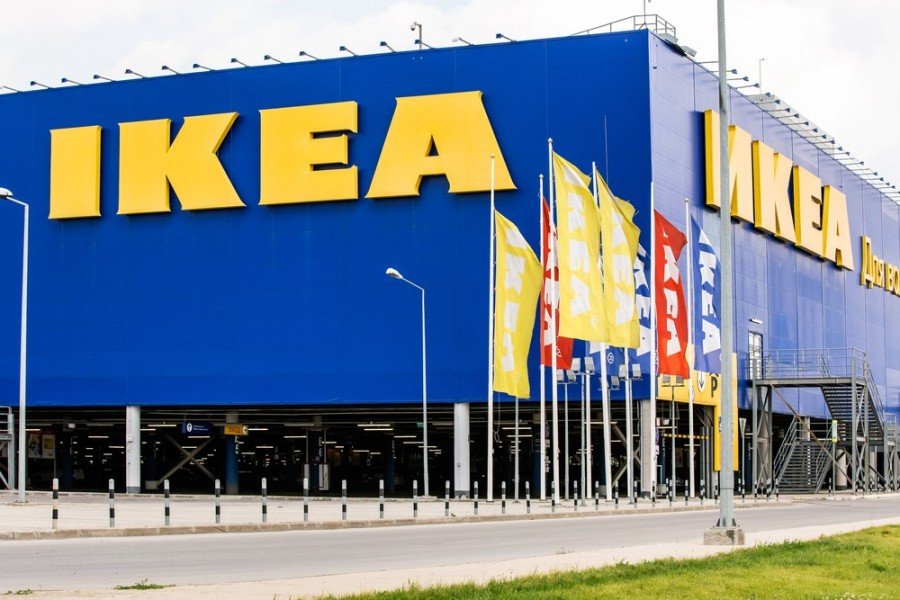
First, IKEA provides users with an immersive experience, much like a video game. When playing a game, our eyes are fixed on the screen, and our ears only hear background sounds or game audio. Entering an IKEA store is the same; it's filled with an array of IKEA products, even the shopping carts and bags bear the IKEA logo. Of course, you might say that supermarkets and convenience stores are the same; when you enter Wellcome, ParknShop, or 7-Eleven, your eyes are also met with products. But this is precisely IKEA's brilliance. IKEA doesn't present goods on rows of cold shelves, but rather in beautifully designed display units. From tables and chairs to water glasses, pendant lights to carpets, everything is complete within these units. The immersive experience of walking through them is simply incomparable to sterile shelves.
IKEA
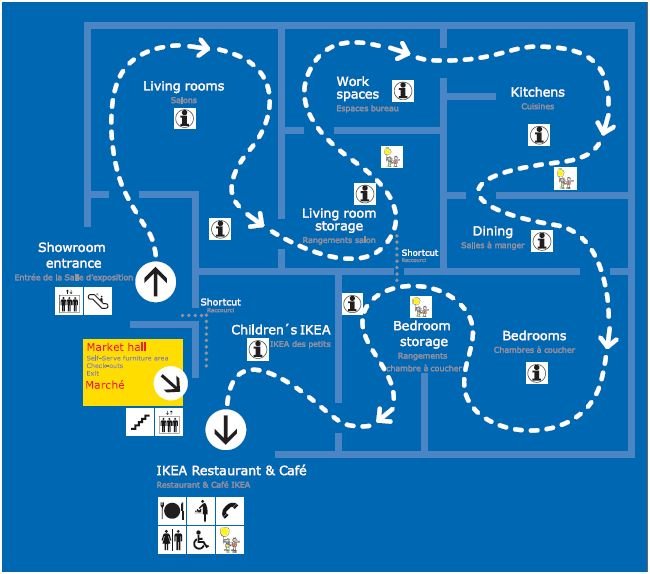
Second, there's the level design. Furnishing an entire home for a new house is an extremely complex task. IKEA has tens of thousands of products of various styles and sizes, at least. If all of them were presented to customers at once, it would undoubtedly lead to information overload and a hasty escape. Therefore, in addition to arranging various exquisite display units, there needs to be a "game guide" to help "players" know which "level" they are on. Attentive shoppers will notice a progress-bar-like marker on the wall after completing each functional section. Furthermore, the product catalog available at the entrance is like a strategy guide, giving each customer a rough understanding of the items in each exhibition area before they even begin, allowing them to shop with direction from the start.
IKEA's Route Map
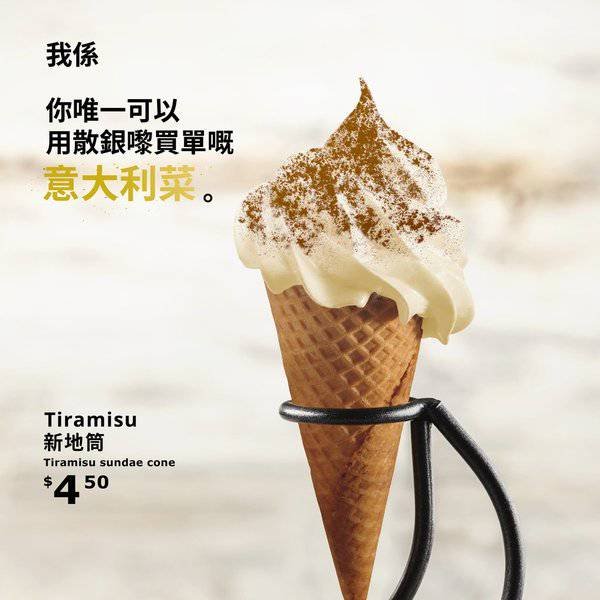
Finally, there are the surprise elements, like in games. Anyone who plays games knows that playing the same game for too long can become boring. What makes you pull back from the brink when you want to "quit the game"? Probably a sudden surge of experience points or some god-tier equipment! Similarly, IKEA also provides surprises for customers who start to feel impatient: those incredibly cost-effective frying pans for $39.9, ceramic mugs for $7, which give customers the desire to keep going. And at the very end, after buying furniture and paying, IKEA has a big Easter egg for the whole family – hot dog meals and Swedish meatballs for only $10 at the food court. This aligns perfectly with Professor Daniel Kahneman's Peak-End Rule. Simply put, people's evaluation of an experience is primarily determined by the best moment during the process and the final experience as it concludes. With cost-effective surprise "gift packs" along the way and incredible value food at the end, it's no wonder IKEA's shopping experience stands out from its peers in the furniture industry.
IKEA's Affordable High-Quality Ice Cream
If you like the content of this account, we hope you will also follow @daydayknowdyeah on Instagram, like, or even share it with your friends!
Original Author: Sherman Leung (https://instagram.com/daydayknowdyeah)