How Brian Cha Was Made: The Logic Behind YouTube's 5-Second Ads - Daily Insight #2
Ever wonder why YouTube offers a 'skip ad' option after 5 seconds, seemingly costing them revenue? This post dives into the clever logic behind Google's strategy for these skippable ads.

Recently, I've been bored at home and often find myself watching various short videos on YouTube. I'm sure everyone has encountered ad snippets at the beginning of videos, but unlike unavoidable TV commercials, YouTube usually offers you an option to skip after 5 seconds. So, wouldn't that mean they're missing out on potential earnings? Why would Google, with its numerous smart minds, still do this? Don't worry, today I'll share the logic behind it.
The most obvious reason, of course, is to enhance the user experience. By giving users control to skip annoying ads, users naturally won't feel like they're watching TV, where unwanted junk is forced into their eyeballs in addition to the show's plot. The viewer's experience naturally improves.
However, this is only the most basic layer.
Now, I'd like you all to put yourselves in this situation:
Next, comes the real key point. Because it's only 5 short seconds, you're unlikely to go to the bathroom or grab a snack to avoid the ad like you would with TV. Instead, you'll be fully focused, waiting for those 5 seconds to end and then pressing skip. But precisely because of this, those 5 seconds of your attention are completely dedicated to that ad video. What does seeing 5 seconds represent for advertisers? This is often referred to in marketing as "effective reach."
Advertisers are obviously not fools. Don't they know that people often do other things and don't pay attention to ads when they're placed between TV shows? Of course, they do. But the problem is, they don't know which household viewers choose not to watch and which ones are captivated and thoroughly enjoying the ad. However, with this 5-second skip button, whether someone skips and at what point they skip becomes clear to YouTube and advertisers.
Evidently, viewers who are still willing to continue watching an ad even with the "skip" option are very likely to be the target users for that product, and advertisers are more willing to spend more money to successfully reach them. Therefore, YouTube's charging logic, simply put, is that skipped ads are not charged, while completed views are charged more.
Even more, advertisers can even analyze when people skip ads to reverse-engineer where the ad content went wrong and lost its appeal, thereby further optimizing the content. One example is the frequently appearing Wix website ad, where in the first 5 seconds of the promotional video, the character breaks the fourth wall and talks to the audience, "I Know, a Wix ad again, but..." This is based on the lesson learned from too many people disliking their repetitive ads, aiming to make an immediate impact (even so, I still find Wix ads annoying).
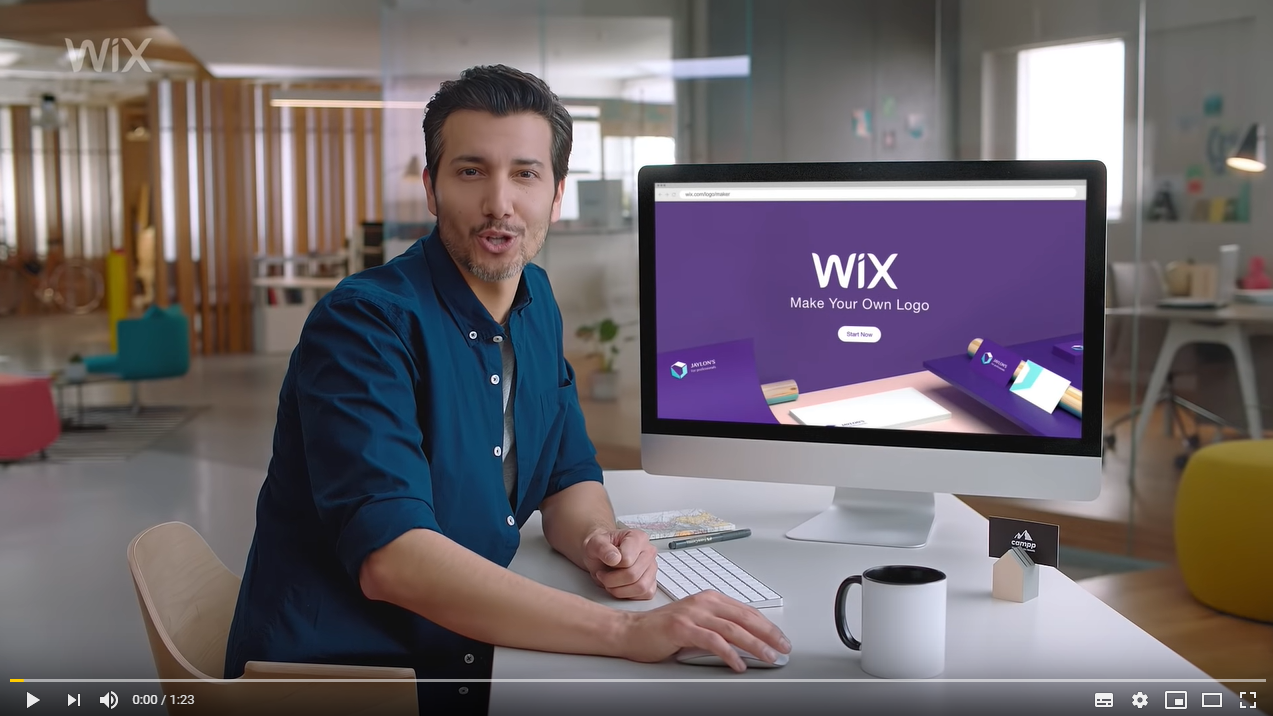
【Brian Cha是怎樣煉成的?】Youtube 5秒廣告的邏輯: 日知一點#2 2
In addition to the 5-second button, YouTube now also allows you to like or dislike ads, further understanding user preferences for more precise marketing. On the other hand, I've also noticed that YouTube ads have become more frequent in recent months, and the reason behind this is likely related to its newly launched paid ad-free subscription service.
The seemingly simple 5-second button hides YouTube's deep insight into human nature, which is no wonder why Google has achieved its giant status today.
If you like the content of this account, I hope you'll also follow @daydayknowdyeah on Instagram, like, and even share it with your friends!
Reference: Wei Xi, "The Frightening Logic Behind YouTube's Skip Ad Button"
Original Author: Sherman Leung (https://instagram.com/daydayknowdyeah)